
Clone to Steal Eggs Cash Guide: How to Earn Cash and What to Spend It On
Every verified way to earn Cash in Clone to Steal Eggs — pet income, selling eggs and spare pets, claimable rewards, and multipliers — plus the Cash sinks that matter and source-reported spending priorities.
Cash in Clone to Steal Eggs comes from four confirmed places: pets that earn Cash every second while they hold an active pet slot in your base, eggs and spare pets you sell, claimable bonuses (a tutorial payout, event rewards, playtime rewards, and battle-pass prizes), and multipliers — rebirths, base upgrades, potions, and paid passes — that raise the rate of everything above. Almost all of that Cash feeds straight back into one loop: train Speed on the treadmill, send clones to steal better eggs, hatch those eggs into higher-earning pets, and repeat faster.
Here is how each source works, what Cash actually buys, and the spending order the guides recommend.
How the earning loop works
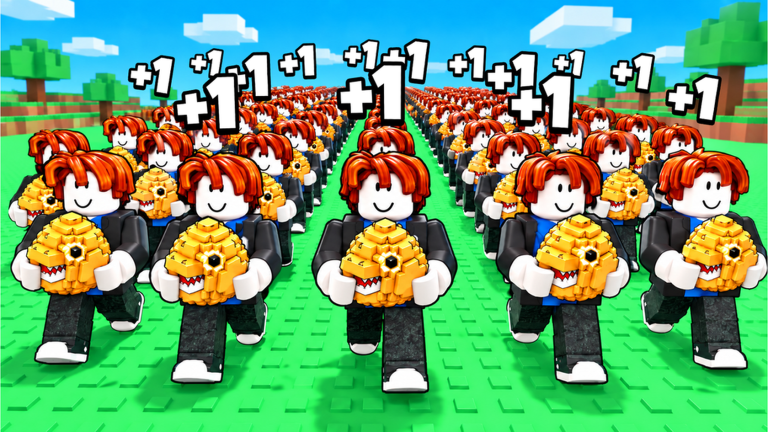
The game's loop is three actions: train to gain Speed, use clones to steal eggs, and use pets to earn Cash. In practice, your clones fetch eggs, the eggs gestate at your base, and you interact with them to hatch. The hatched pets then generate Cash while they occupy active pet slots, and that Cash funds clone and treadmill upgrades that make your clones faster and more efficient on the next cycle. Selling, claimable rewards, and multipliers either feed that loop directly or multiply what it pays out.
Every verified way to earn Cash
Pet income
Pets are the permanent income engine. Each pet earns Cash per second while it occupies an active pet slot, and rates scale with rarity. Recorded runs show a first pet earning $15 per second, a frog paying $31 per second in one video and $25 per second in another, legendaries around 1,000–1,100 per second, a mythic snake at 1,500 per second, and a top-rarity moth at 28 million per second that pushed its owner into the hundreds of millions within moments. Treat those figures as examples of the scaling, not fixed prices — they come from separate play sessions of a game that updates weekly, so the number shown over a pet in your own client is the one that counts. Some pets earn nothing directly and instead boost the Cash you get from selling eggs, or speed up stealing and training.
Keep the engine fed with two habits:
- Use the visible Equip Best action so your highest per-second earners fill the active slots from a crowded inventory.
- Check how your client pays out. One walkthrough describes hatched pets passively adding Cash directly to your account, while a beginner guide lists "Collect earnings" as a top-priority action and advises claiming pet Cash every time you return to base, on the grounds that unclaimed cash does nothing for you. Watch whether your counter ticks while you are away from the pen: if it does, income is automatic; if it waits, collect at the base on each visit — the habit costs nothing either way.
The pet Cash guide covers pet loadouts and rates in more depth.
Selling eggs and spare pets
Selling is really two actions, and both pay:
- Sell eggs in the sell zone. This is the fastest income in your first hours because it immediately funds Speed and Capacity upgrades. Higher-rarity eggs sell for more, so once you are fast enough to steal and escape, targeting players hoarding rare eggs pays best.
- Clear duplicates. Spare pets and leftover eggs are dead weight until Sell All converts them in one click — one creator, watching a pile of unused golems and dinosaurs go, put it as "whatever I don't use, I can just sell it… I'm making so much money." You can also tell your clones to auto-sell their stolen hauls so the funnel never clogs.
The selling guide breaks down egg values further.
Claimable Cash
Several systems hand out Cash on top of pets and sales:
- A tutorial reward: pressing the ready button during the tutorial paid one new player 500 Cash.
- An event claim: an event banner in the same session paid another 1,000 Cash.
- Playtime rewards: free items that unlock while you stay in the game — claim them whenever they are ready.
- Free gifts: one creator's first gift paid $100.
- Battle pass: each level grants a specified prize, and Cash is one of the prize types alongside pets and potions.
Treat these as supplements. Their repeat cadence is not part of the documented loop, so count on them as bonuses that arrive while you play, not as income you can grind on demand. The playtime rewards page tracks that system.
Multipliers that raise every rate
- Rebirth — a permanent Cash multiplier bought with Cash (details below).
- Base upgrades — a Cash multiplier on pet earnings (details below).
- Cash Potions — single-use consumables that double Cash earnings for 10 minutes, activated from the Potions section of the in-game Shop. Redeemable codes also hand out Cash Potions; current strings live on the Codes page, and the potions guide covers all potion types.
- Roblox Plus — members get +10% Cash per the official game page.
- 2x Money gamepass — around 399 Robux, it doubles every dollar your pets generate for the rest of your playtime.
Note the boundary on the last two: Roblox Plus and gamepasses are Robux or membership purchases, not in-game Cash sinks — they boost the loop but sit outside the earn-and-spend cycle this page covers.
What Cash is spent on
Cash has six progression-relevant destinations, and each one feeds the earning loop.
Treadmills
Treadmill tiers are the most repeated Cash purchase in recorded play. Each tier adds an additive training bonus, so you gain Speed faster — which in turn makes clones faster and more efficient at stealing. The named ladder runs Silver, Golden, Diamond, Devil, Desert, Aqua, Lava, Galaxy, Jurassic and beyond: one creator bought the Jurassic treadmill at $100 billion, and another run priced successive tiers at 5 million, 50 million, 350 million, 15 billion, and one quadrillion. These prices move with the weekly updates, so read the tag in your own client before saving toward a specific number. The treadmill guide compares tiers in detail.
Clone upgrades
Three clone-side purchases multiply how much stealing your account does:
- Portal upgrade — increases the portal's clone summoning speed. Early levels were bought around 10,000 in one playthrough; later levels ran into the hundreds of millions.
- Number of clones — adds parallel stealers, and is priced accordingly: creators describe it as costing a lot of money. Guides name clone capacity the best first major investment, because each permanent extra slot multiplies the output of every future steal cycle.
- Steal upgrades — increase the number of times your clones can steal per trip before returning.
The clone upgrades page covers the full tree.
Base upgrades
Base upgrades are bought from the signboard next to your base's entry point. Each applies a Cash multiplier that directly improves your pets' earning rate, and each level costs significantly more than the last — the reason guides say to conserve funds between purchases. The multiplier is described as substantial enough to match what Rebirths offer, which makes this one of the best long-term buys. One creator also speculated that base upgrades raise how many pets fit inside the fence; that side effect is unconfirmed, so do not budget around extra pet capacity. See the base upgrades page for level-by-level detail.
Rebirth
Rebirth consumes a specified amount of Cash and applies a permanent Cash multiplier that stays active at all times, regardless of your pet, clone, or base setup. Only the specified amount is taken: if the threshold is 10,000 and you hold 50,000, you keep 40,000 — so you can rebirth whenever the requirement is met without draining the account.
What the multiplier is worth scales with how far you are: one creator paid $250 for a rebirth and immediately earned "two times more cash," while later-stage sessions report x16, x512, and even x1,000. These are creator-stated observations from separate runs, not a published ladder — the multiplier on offer is shown in your own rebirth menu. Timing advice from recorded runs: let pets produce Cash and clones keep returning eggs, sell spare pets, and upgrade the base, then rebirth once the current requirement is met — the sooner the permanent multiplier starts compounding, the better. The rebirth guide walks through the interaction.
Hatching costs and trails
Hatching is priced. Every egg tier has a hatch cost that scales with rarity — Low for Commons, through Medium and High, up to Very High for Mythical and Secret eggs — and hatching costs climb quickly through progression, so budget for them rather than hatching everything that lands in the pen. The Shop also sells trails for Cash that raise run speed: an early player could not afford any, while a late-game creator bought the rainbow trail for 100 quintillion and tripled their speed. The trails guide lists the shop's current lineup.
Cash priorities
Recorded playthroughs converge on the same spending order:
- Spend starting Cash on Speed in the training area. Speed determines how quickly you move between egg zones and whether you escape after stealing, making it the highest-value early stat.
- Put the first major profits into capacity, not cosmetics. Every unit spent on clone capacity compounds over future sessions; cosmetic skins never pay you back. Extra clone slots are named the best first investment.
- Decide each rare egg on purpose. Selling gives immediate Cash that funds upgrades; hatching gives a permanent pet that multiplies income but costs more and depends on luck.
- Compare before you commit. Before rebirthing or buying the next big tier, compare the next portal, clone count, steal, base, treadmill, trail, and rebirth costs in your own client — updates change prices.
For step three, the common strategy breakdown looks like this:
| Strategy | Best for | Pros | Cons |
|---|---|---|---|
| Sell rare eggs | Early/mid-game Cash building | Fast income, funds upgrades | No permanent gain |
| Hatch rare eggs | Long-term scaling | Pets boost Cash, steal power, and speed | Costs more, luck-dependent |
| Hybrid (sell Commons, hatch Legendaries) | Balanced progression | Steady income plus scaling | Requires Capacity investment |
Once Legendary Eggs are affordable, they are the top hatching priority — pets are the permanent income engine everything else multiplies.
Common Cash bottlenecks
- Hatching costs outrun income early. They scale up quickly through progression, so early on, selling the eggs you do not plan to hatch keeps upgrades moving.
- Every upgrade level costs significantly more than the last. Conserving funds for the next jump beats trickling Cash into partial buys.
- Extra clones are priced as a luxury. Expect to run on one clone through the early game and buy slots once income stabilizes.
- Trails stay unaffordable for a long time. They are a speed convenience, not an early purchase.
- Zone mismatches waste steals. Sending clones into an area far above their Speed gets them killed repeatedly for nothing — one creator noted a Yeti-area recommendation of 1 million Speed. Match clone targets to your current Speed.
- The endgame is a grind wall. Even with maxed treadmill, base, clones, and rebirths, recorded players describe the top content as requiring a long grind.
- Numbers move weekly. Prices, pet rates, and multipliers are all version-sensitive in a game that updates every Saturday, so confirm any specific figure in-game before planning around it.
Related Guides
How Pets Generate Cash
Fill your active pet slots with the best earners and stack multipliers to raise your pets' cash-per-second income.
How to Sell Eggs & Animals
Where selling happens, which eggs and animals you can sell, and how rarity sets the Cash you get back.
Base Upgrades: Costs, Effects & Max Level
The repeatable base purchase that multiplies pet earnings: observed price points, the documented max level and how it differs from other tracks.
Rebirth: Requirements, Costs & Resets
What a rebirth costs and keeps, the permanent Cash multiplier it grants, and how to time rebirths as the price climbs.